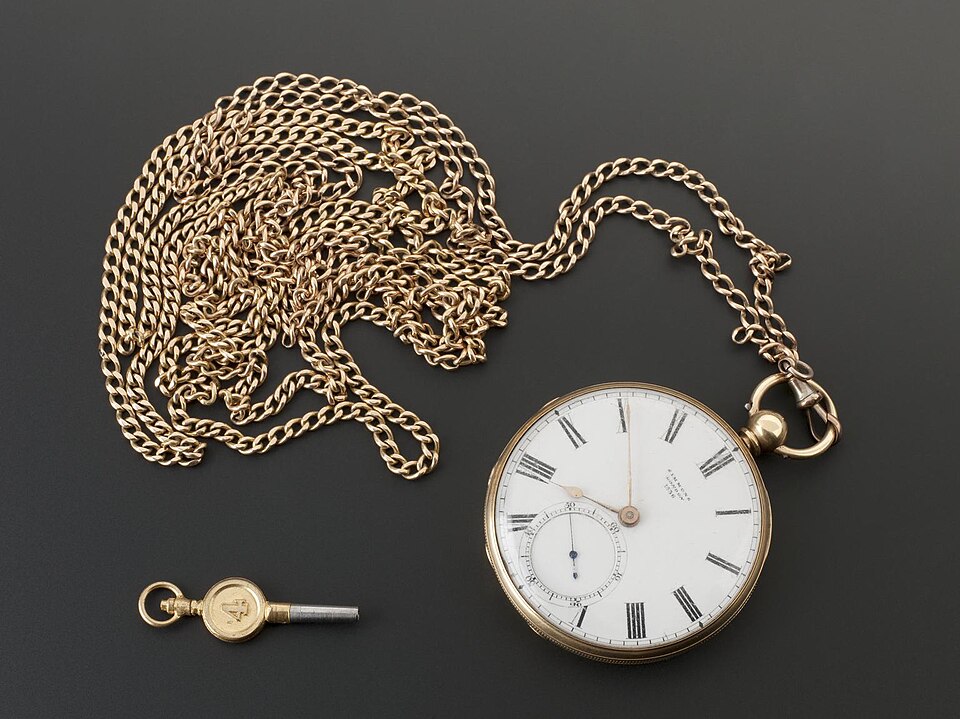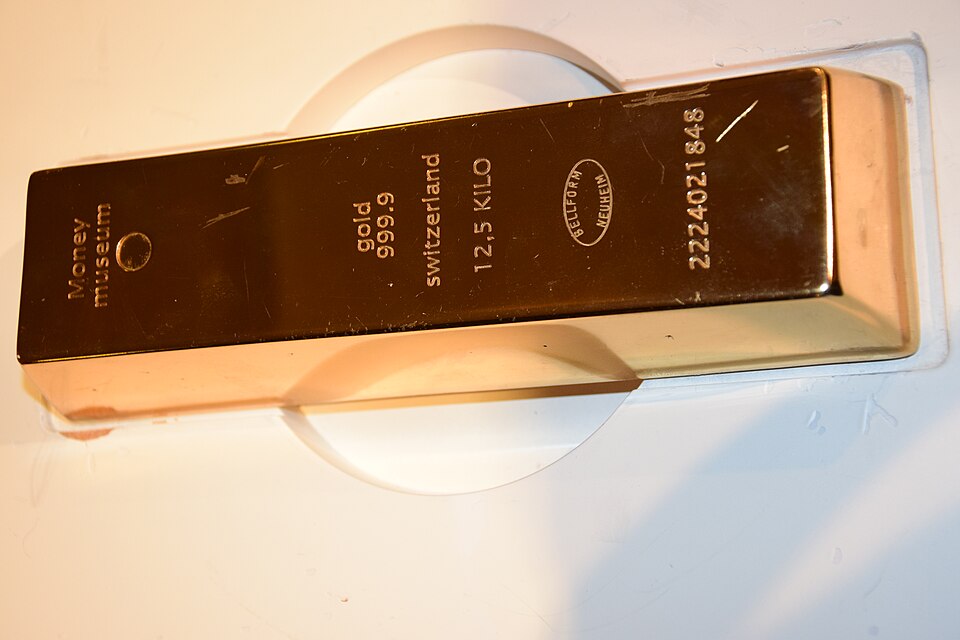
Every week in Knoxville, sellers bring us jewelry boxes inherited from parents or purchased at Knox County estate sales containing fifty or sixty individual rings, chains, brooches, and watches. Often, two chains that look virtually identical to the naked eye turn out to have wildly different values: one is a solid 14K Italian Bismarck chain worth over $1,200 in melt value, while the other is a gold-electroplated brass chain worth pennies.
While we perform free, no-obligation testing in front of every client, equipping yourself with a basic home testing kit and a calibrated troy-ounce scale allows you to sort your estate jewelry in advance, spot unmarked solid gold at local auctions, and calculate your exact expected payout using our Live Gold Price Calculator.
Step 1: Optical Inspection With a 10x Hastings Triplet Loupe
Cheap plastic magnifying glasses distort light around the edges (spherical and chromatic aberration), making it nearly impossible to distinguish a worn 14K stamp from a 1/20 14K GF (gold-filled) stamp inside a ring shank or on a tiny lobster clasp. A 10x Hastings Triplet Jeweler's Loupe uses three cemented optical glass lenses to provide edge-to-edge clarity.
- Standard Karat Marks:
10K,14K,18K,22K, or24K(sometimes followed byPfor "Plumb", meaning exact guaranteed karat purity such as14KP). - European Millesimal Fineness Marks:
375(9K),417(10K),585(14K),750(18K),916(22K), and999(24K). - Plated / Filled Marks (Not Solid Gold):
GF(Gold Filled),RGP(Rolled Gold Plate),HGE(Heavy Gold Electroplate),GEP, or925(Sterling Silver—even if gold-plated vermeil).
Know exactly what your jewelry and estate pieces are worth before visiting any buyer. Sort your items at home using a JSP 10K–22K Gold & Silver Acid Testing Kit, inspect worn stamps with a 10x Hastings Triplet Jeweler's Loupe, and weigh in true grams and troy ounces on a 0.01g Digital Jeweler Scale.
Step 2: Magnetic, Acid Touchstone, and Electronic Purity Testing
Never rely on a hallmark alone—counterfeit 14K and 18K stamps on brass chains have become increasingly common at flea markets and online marketplaces. Professional buyers use a layered verification process:
- Rare-Earth Neodymium (N52) Magnet Screening: Solid gold, silver, and platinum are non-ferromagnetic. If the links of a chain (away from the steel spring inside the clasp) snap to a strong neodymium magnet, the core metal is iron, nickel, or steel. However, passing the magnet test does not prove an item is gold, because copper, brass, zinc, and lead are also non-magnetic.
- JSP Nitric/Muriatic Acid & Black Touchstone Kit: By rubbing a discreet spot of the item onto a fine-grained black novaculite scratch stone, you leave a microscopic metal streak on the stone. Applying a drop of 10K, 14K, 18K, or 22K testing acid to the streak reveals the exact karat: if the 14K acid leaves the streak completely intact while the 18K acid dissolves it, the piece is confirmed 14K gold.
- Electronic Conductivity Testers (GemOro AuRACLE / Sigma Metalytics): For collectors who do not want to handle nitric acid reagents—or for bullion buyers verifying sealed coins and bars—electronic testers measure electrical conductivity and electromagnetic resistivity to identify karat fineness and detect tungsten or copper cores.
Step 3: Weighing in Grams (g), Pennyweights (dwt), and Troy Ounces (ozt)
One of the biggest mistakes first-time sellers make in East Tennessee is weighing their jewelry on a postal or kitchen food scale set to standard "ounces." Standard kitchen scales measure avoirdupois ounces (28.3495 grams), whereas all precious metals worldwide are traded in troy ounces (31.1035 grams).
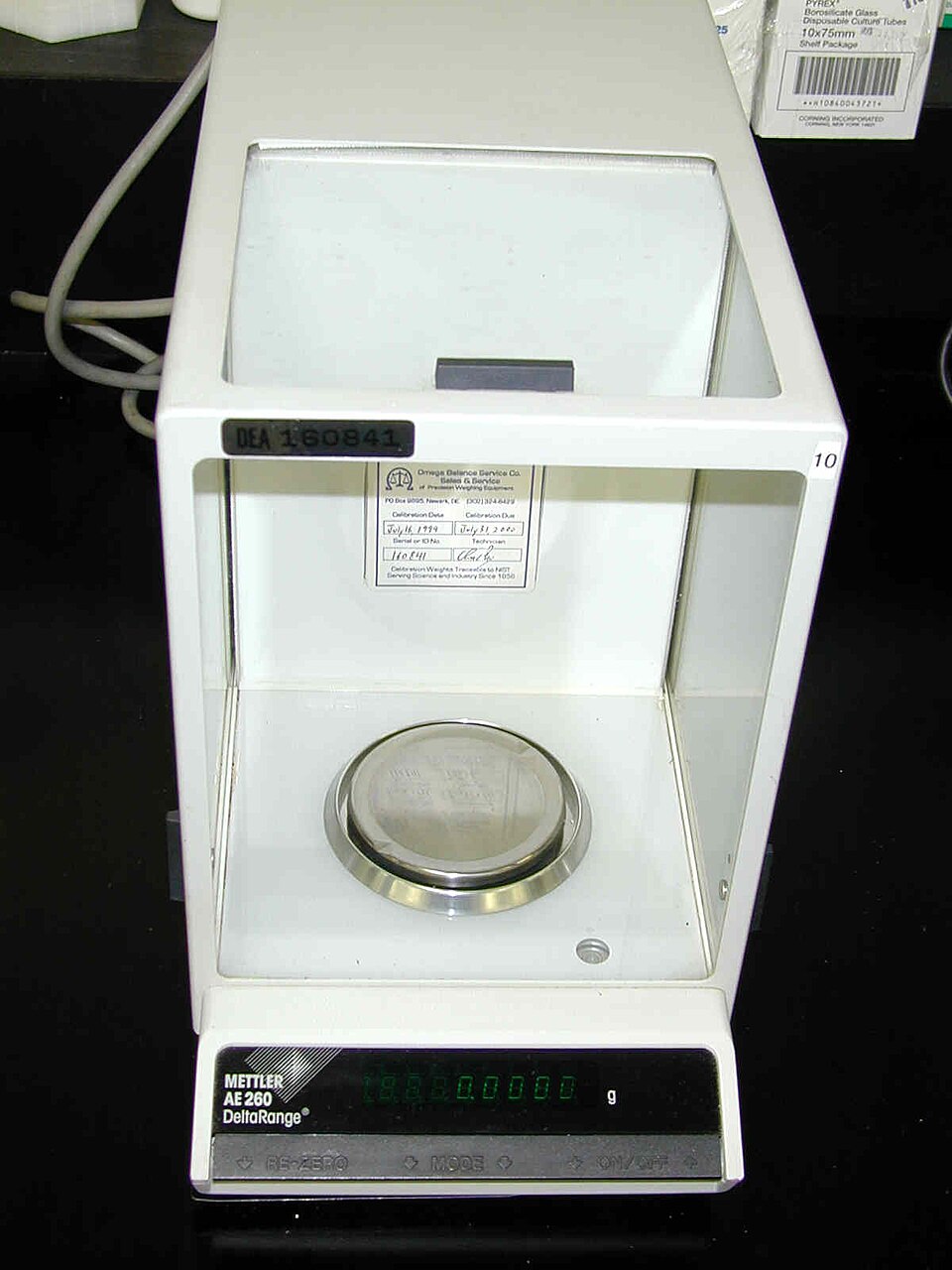
To avoid confusion, set a 0.01g precision digital jeweler's scale to Grams (g). Multiply the gram weight of each karat group by its pure gold factor (0.4167 for 10K, 0.5833 for 14K, 0.7500 for 18K), divide by 31.1035 to find your pure troy ounces, and multiply by the live gold spot price. For a full list of our vetted testing equipment, see our Recommended Gold Testing Kits & Scales Guide.