Knox County has a healthy estate sale culture. Weekend auctions in Farragut, estate liquidations in West Knoxville, and tag sales across the county generate a constant supply of gold and silver items — some knowingly priced, many not.
If you’ve recently acquired gold at an estate sale, auction, or household cleanout — or if you’re the family managing the estate — here’s the practical guide.
Gold That Often Goes Unrecognized at Estate Sales
Estate sale companies do their best, but they’re generalists. They set prices based on visual appearance and general knowledge. Precious metals frequently slip through below melt value because:
Dental gold gets thrown in junk drawers. Old crowns, bridges, and partial plates are worth real money at current gold prices. A single molar crown with a gold alloy cap can be worth $50–$150 or more. A full set of dental gold appliances from a 1970s dental practice can exceed $1,000. They’re ugly and nobody wants them — until you know what they’re worth.
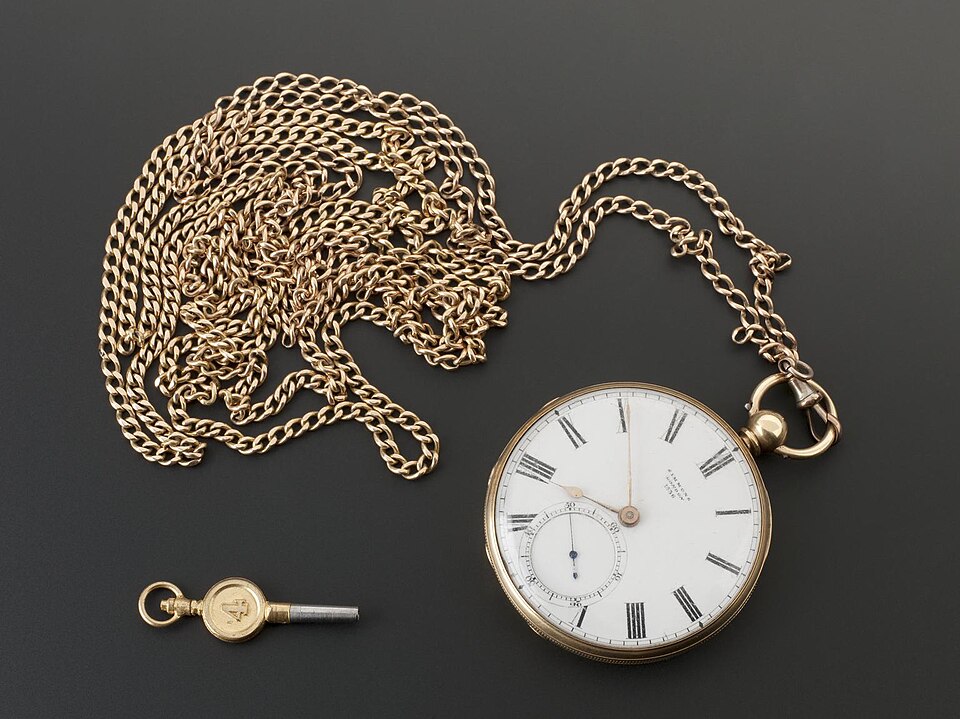
Watch cases aren’t the same as watch movements. Vintage pocket watches and wristwatches from the 1940s–70s often have solid gold or gold-filled cases. The case material is what has precious metal value; the movement (the mechanism inside) typically doesn’t add value. You’ll see these labeled as “gold watch” at estate sales — confirm the case material, which is usually stamped inside the case back.
Old pens and fountain pens sometimes have gold nibs. High-quality pens from Parker, Waterman, and Sheaffer frequently have 14K or 18K gold nibs. Small weight, but worth knowing.
Goldplate versus solid gold. Not everything yellow is gold. Gold-filled and gold-plated items have no meaningful melt value. If it says GF, Gold Filled, RGP (Rolled Gold Plate), or Electroplate — it’s not solid gold. Solid gold pieces say 10K, 14K, 18K, or carry the European millesimal fineness marks (417, 585, 750).
Know exactly what your jewelry and estate pieces are worth before visiting any buyer. Sort your items at home using a JSP 10K–22K Gold & Silver Acid Testing Kit, inspect worn stamps with a 10x Hastings Triplet Jeweler's Loupe, and weigh in true grams and troy ounces on a 0.01g Digital Jeweler Scale.
What to Do After an Estate Sale
If you bought items at an estate sale and think you may have gold:
- Gather everything in one place. Look for stamps and markings.
- Separate definite from uncertain. Stamped pieces are likely real. Unstamped pieces get tested.
- Don’t clean or polish. Condition doesn’t affect melt value.
- Bring it all in. We test for free, and we’ll tell you what you have before any offer is made.
If You’re Managing the Estate
Handling a full Knox County estate cleanout is a different situation. You’re trying to make fast decisions with incomplete information while managing grief, family dynamics, and logistics simultaneously.
Our practical advice:
Don’t sell at the estate sale. Estate sale companies typically offer to “help” sell jewelry and coins — but their buyers are often dealers looking for steals. You’ll do better bringing jewelry directly to a dedicated buyer.
Do one dedicated jewelry and coin session. Keep all metal items together so a specialist can work through the lot systematically and give you clear values on everything that has precious metal content. Takes an hour or two for a full household, and you leave with cash.
Document before you sell. Take photos of significant pieces for family records. It’s a small step that prevents future regrets.
For a deeper guide on estate gold specifically, see the main site’s article on selling estate gold jewelry in East Tennessee.
Get Started
Whether you’ve acquired gold through an estate sale or you’re managing a Knox County estate cleanout, we’re here to help. Get a free quote via our online inquiry form.
Knox County Estate Sale Precious Metals Identification Matrix
When evaluating items from a Knox County probate cleanout or weekend estate auction along Kingston Pike, use this metallurgical reference table to separate high-value bullion and karat gold from plated costume pieces:
| Estate Item Category | Hallmarks to Look For | Commonly Mistaken For | Typical Recovery Value |
|---|---|---|---|
| European & Italian Gold Chains | 417 (10K), 585 (14K), 750 (18K) |
Unmarked brass or costume chains | High — Paid by exact gram weight & karat |
| Dental Gold Crowns & Bridges | None (Cast custom dental alloy) | Discarded medical/dental scrap | Very High — Typically 16K to 20K (65%–83% gold + PGM) |
| Vintage Fountain Pen Nibs | 14K, 585, or 18K on nib |
Gold-plated steel desk pens | Moderate — 0.4g to 1.2g of solid 14K/18K gold per nib |
| Solid Sterling Flatware & Hollowware | STERLING, 925, Lion Passant |
EPNS / WM ROGERS silverplate |
High — 92.5% pure silver by weight |
| Gold-Filled / Rolled Gold Vintage Pieces | 1/20 12K GF, 1/10 10K RGP |
Solid 10K or 12K gold | Low — Only 2.5% to 5.8% gold by total weight |
Before liquidating a family estate in Knoxville, compare our neighborhood guides for Sequoyah Hills & Bearden, Fountain City & North Knoxville, and our sister Blount County guide on Selling Inherited Gold Jewelry in Maryville.