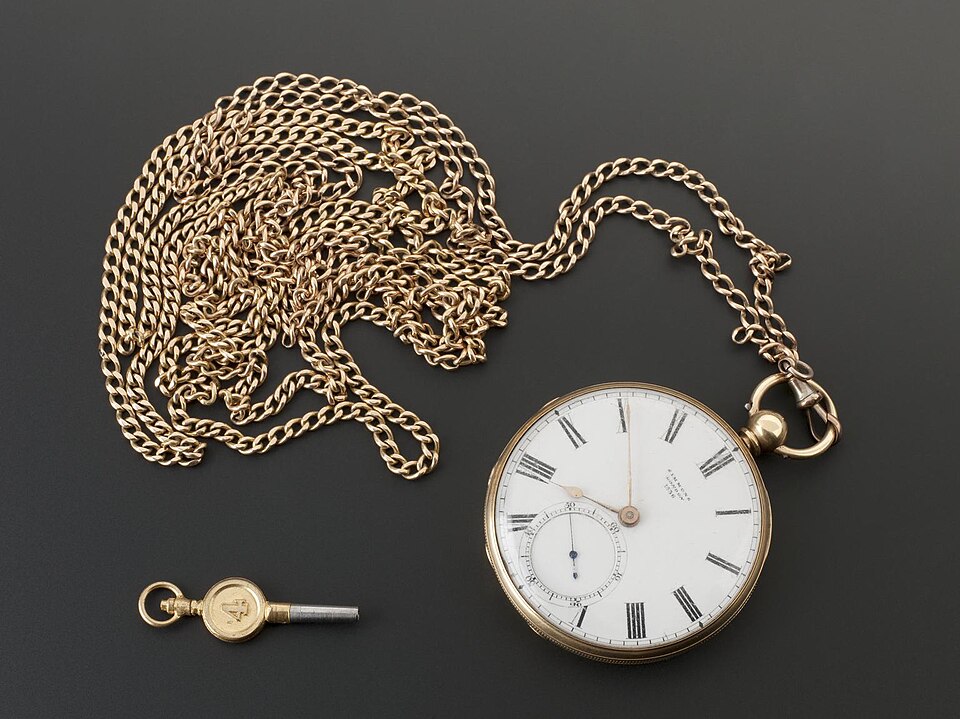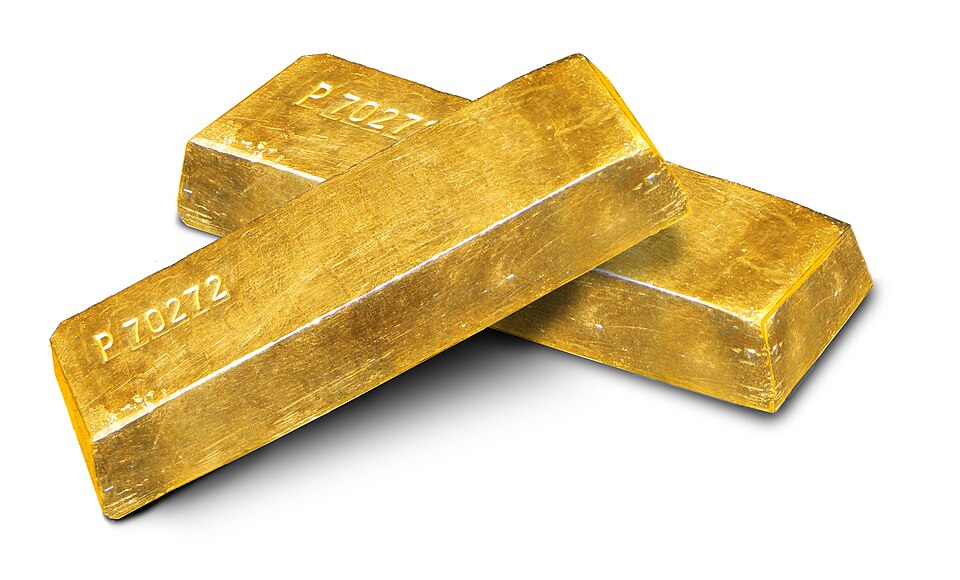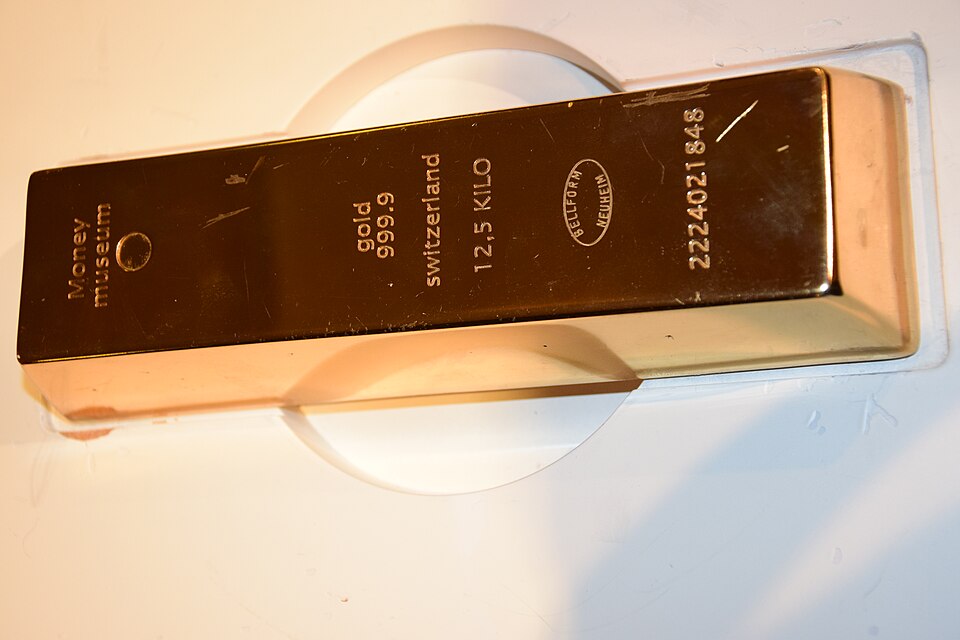
Most people who sell a handful of broken 14-karat chains or inherited gold rings in Knoxville assume the buyer cleans the jewelry up and puts it in a display case to resell at retail. In reality, more than 90% of all pre-owned karat gold jewelry purchased in the United States is never resold as jewelry. Instead, it enters the institutional precious metals refining supply chain to be melted, fire-assayed, and electrolytically refined back into .9999 fine (24-karat) bullion.
Understanding the economics of how a local gold buyer interacts with ISO-accredited refineries explains why payout percentages vary so dramatically across Knox and Blount Counties.
1. How the Refinery Settlement Pipeline Works
When a dedicated precious metals buyer like East Tennessee Gold Buyers purchases scrap 10K, 14K, 18K, or dental gold for cash in Knoxville, the metal moves through four precise stages:
- Lot Aggregation & Price Locking (Hedging): As we purchase gold from Knoxville sellers throughout the week based on the live spot price, we lock in ("short hedge" or forward-lock) our settlement price with an institutional North American refinery so that overnight drops in the COMEX gold price do not wipe out our operating margin.
- Induction Melting & Pin Sampling: At the refinery, the mixed karat gold lot is melted in an induction furnace at over 2,000°F (1,093°C) until completely homogeneous. While molten, a vacuum glass tube ("pin tube") draws a sample directly from the center of the melt.
- Fire Assay (Cupellation) & XRF Verification: The pin sample is weighed to 0.0001g precision and subjected to a classical fire assay—the most accurate metallurgical test known, with accuracy within 1 part in 10,000—determining the exact percentage of fine gold, silver, platinum, and palladium.
- Miller Chlorination & Wohlwill Electrolytic Refining: The doré bar is refined via the Miller process (to 99.5% purity) and the Wohlwill electrolytic process to achieve 99.99% (.9999) four-nines purity, ready to be cast into investment bullion bars or industrial grain.
Know exactly what your jewelry and estate pieces are worth before visiting any buyer. Sort your items at home using a JSP 10K–22K Gold & Silver Acid Testing Kit, inspect worn stamps with a 10x Hastings Triplet Jeweler's Loupe, and weigh in true grams and troy ounces on a 0.01g Digital Jeweler Scale.
2. Why Dedicated Gold Buyers Outpay Pawn Shops and Mall Kiosks
Because a wholesale refinery pays roughly 98% to 99% of spot for melted fine gold content, a buyer's payout to the public comes down entirely to overhead and business model:
- Pawn Shops & Retail Jewelry Stores: Operate high-overhead storefronts designed for collateral loans or high-markup retail diamond sales. Many hold scrap gold for months without hedging, building a massive 40% to 55% "safety margin" into their offer (paying the seller only 45% to 60% of melt value).
- Dedicated High-Volume Gold Buyers: Because precious metals are our sole focus and we turn inventory rapidly through direct refinery locks with low overhead, we pay a significantly higher percentage of live spot value—putting hundreds of extra dollars directly into your pocket on an average estate lot.
For a real-world dollar comparison across different lot sizes, read our sister analysis on Pawn Shops vs. Dedicated Gold Buyers in East Tennessee.