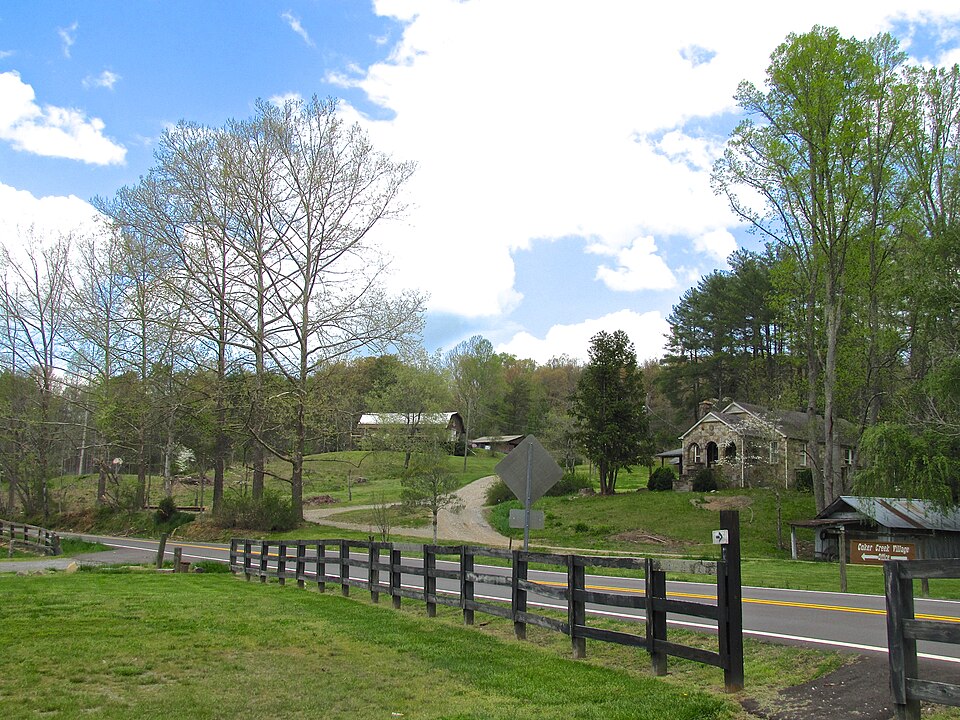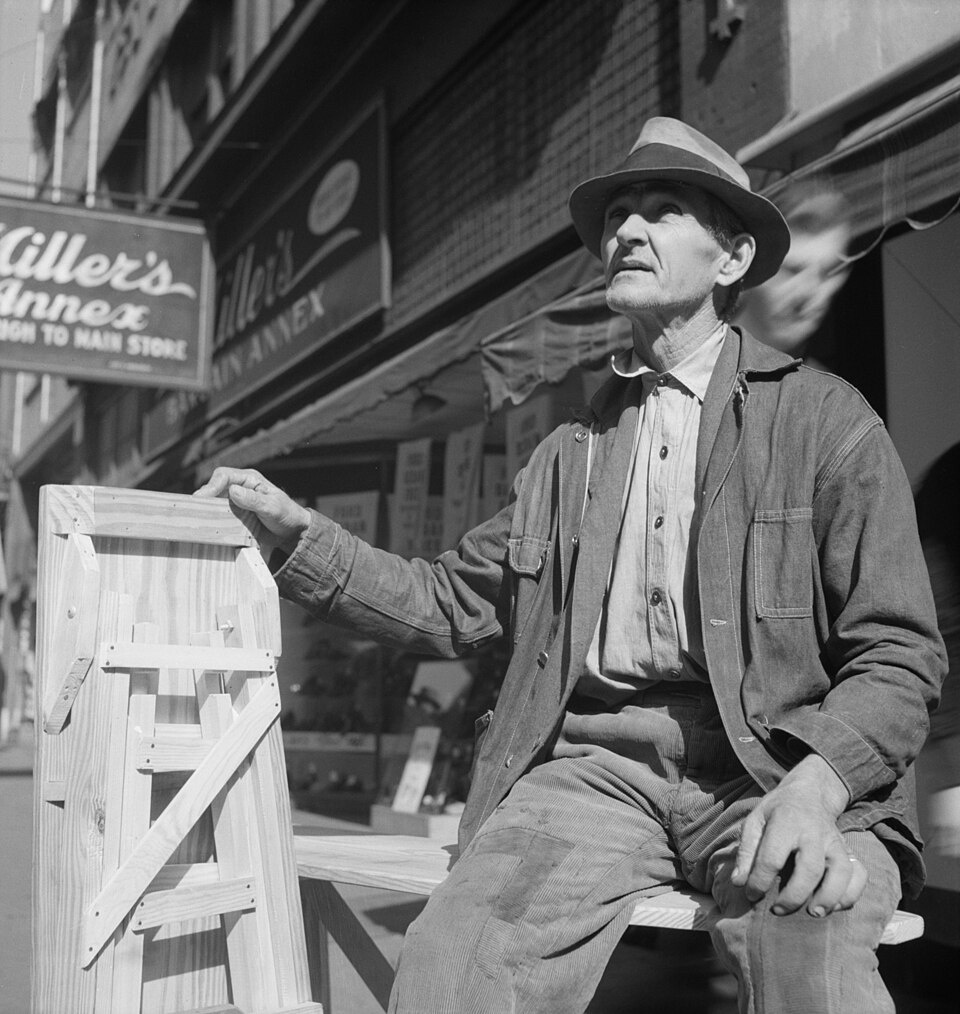
In 1854, Knoxville businessmen William G. Swan and Joseph A. Mabry deeded a parcel of downtown land to the City of Knoxville under Mayor James C. Luttrell with a strict stipulation: the property was to serve in perpetuity as a public farmer's market. Over the next century, Market Square became the retail heart of East Tennessee, where farmers from Knox, Blount, Sevier, and Anderson Counties brought wagonloads of produce, livestock, and dry goods to exchange for hard cash.
Beneath the lively history of Market House stalls lies a fascinating monetary history of silver coin shortages, private merchant scrip, and the enduring value of 90% United States silver and gold coinage.
Civil War Specie Hoarding and Knoxville Merchant Scrip
When the Civil War erupted in 1861, East Tennessee was sharply divided, with strong Unionist majorities across Knox and Blount Counties facing Confederate military administration until General Ambrose Burnside's Union forces entered Knoxville in September 1863. Throughout this turbulent decade, Gresham's Law operated at full force on Market Square: "bad money drives out good."
Every resident who possessed silver Seated Liberty quarters, dimes, half dollars, or gold $2.50 Quarter Eagles and $5 Half Eagles immediately removed them from everyday circulation, burying them in stoneware jars or hiding them behind hearthstones. To make small change for daily groceries on Market Square and Gay Street, Knoxville banks, railroads, and dry-goods merchants issued fractional paper scrip ("shinplasters") in denominations of 5, 10, 25, and 50 cents, alongside stamped copper and brass trade tokens.
Know exactly what your jewelry and estate pieces are worth before visiting any buyer. Sort your items at home using a JSP 10K–22K Gold & Silver Acid Testing Kit, inspect worn stamps with a 10x Hastings Triplet Jeweler's Loupe, and weigh in true grams and troy ounces on a 0.01g Digital Jeweler Scale.
The Era of the Morgan Silver Dollar on Market Square (1878–1921)
Following the passage of the Bland-Allison Act of 1878 and the Sherman Silver Purchase Act of 1890, the United States Mint struck hundreds of millions of Morgan Silver Dollars (composed of 90% pure silver and 10% copper, containing 0.77344 troy ounces of pure silver per coin). In southern commercial hubs like Knoxville, heavy silver cartwheels and pre-1965 90% silver Barber, Walking Liberty, and Franklin half dollars were the preferred store of household savings for working families and market vendors alike.
- Pre-1965 90% Silver Dimes, Quarters, and Halves: Every $1.00 of face value in pre-1965 U.S. silver coins (such as four Washington quarters or ten Mercury/Roosevelt dimes minted 1964 or earlier) contains approximately 0.715 troy ounces of pure silver, allowing for average circulation wear.
- Morgan (1878–1921) and Peace (1921–1935) Silver Dollars: Each uncirculated coin weighs 26.73 grams and contains 0.77344 troy ounces of pure silver, plus significant numismatic premiums for scarce mint marks such as Carson City (CC) or key dates.
Evaluating Inherited Coin Accumulations in Knox County
Because Market Square vendors, downtown shopkeepers, and Knox County farm families routinely set aside silver dollars and gold coins across generations, local estate cleanouts frequently uncover canvas bank bags, cigar boxes, and Whitman folders filled with nineteenth- and twentieth-century coinage. Before selling an inherited coin lot for simple face value at a commercial bank coin machine, you should inspect every date and mint mark using a quality 10x jeweler's loupe and weigh your silver lots on a calibrated troy-ounce scale.
To check what your pre-1965 silver and gold coins are worth at today's spot rates, use our Live Gold & Silver Price Calculator or read our sister guide on evaluating 90% constitutional silver.